
Passive Solar Design: Keeping Himachal Homes Warm Without Heating Bills
Integrating passive solar design can lead to greater energy independence and create healthier living environments.
DESIGN NOTES (TSI ARCHITECTS & ENGINEERS)
TSI Architects & Engineers
7/6/20267 min read
Introduction to Passive Solar Design
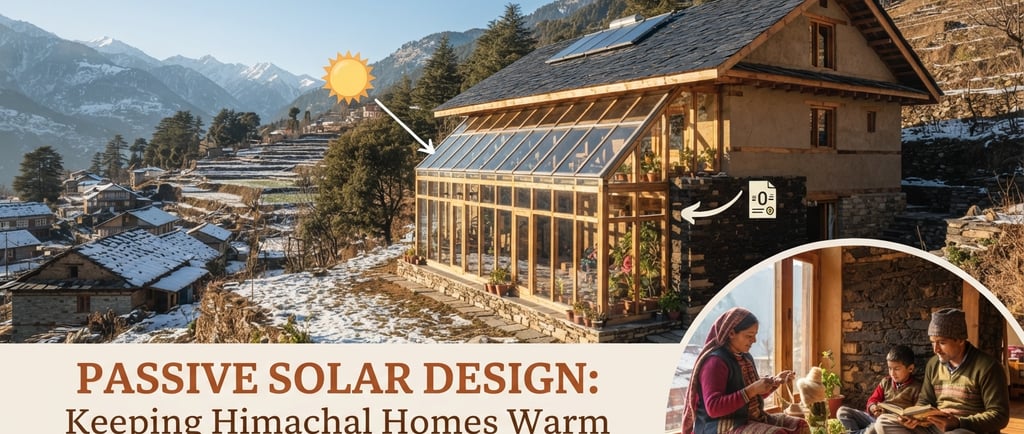
Passive solar design refers to the architectural approach of using the sun's energy to naturally heat and cool buildings, thereby minimizing the need for conventional heating systems. This design philosophy is particularly significant in regions with varying climatic conditions, such as Himachal Pradesh, where winters can be harsh and the cost of heating can be substantial.
The principles of passive solar design rely on three main strategies: orientation, thermal mass, and ventilation. Firstly, the orientation of a building toward the sun plays a crucial role in maximizing sunlight exposure during the day. By strategically positioning windows and walls, homes can capture solar energy to warm indoor spaces, reducing dependency on electric or gas heating systems. Secondly, thermal mass materials like concrete, stone, or adobe can absorb, store, and gradually release heat throughout the day and night, enhancing the home’s efficiency.
Additionally, proper ventilation techniques, including the use of strategically placed windows and vents, contribute to maintaining comfortable indoor temperatures without the need for mechanical systems. This natural airflow is essential for cooling in the warmer months and helps to balance temperature fluctuations.
In the context of Himachal Pradesh, where the winter temperatures can plummet, passive solar design is not just a luxury but a necessity. By harnessing natural resources for heating and cooling, homeowners can ultimately reduce their reliance on energy-consuming heating systems and lower their heating bills. Thus, passive solar design not only promotes environmental sustainability but also enhances comfort and economic efficiency in the home.
Understanding the Climate of Himachal Pradesh
Himachal Pradesh features a diverse range of climatic conditions influenced by its geographical location and topographical variations. The state predominantly experiences a temperate climate, characterized by cold winters and mild summers, though these conditions can fluctuate significantly between the valleys and higher altitudes. In the winter months, temperatures can drop below freezing, particularly in the northern regions, while summer temperatures typically hover between 15 to 30 degrees Celsius.
One of the key factors to consider in Himachal Pradesh is the availability of sunlight throughout the year. With clear skies prevalent during the winter months, the region receives substantial solar radiation, making it ideal for implementing passive solar design techniques. This allows residences to maximize the available sunlight for heating purposes, thus reducing reliance on conventional heating methods that incur energy costs. The effective use of solar energy can significantly enhance the comfort levels of homes, particularly during the frigid winter season.
Moreover, the state experiences distinct seasons, transitioning from harsh winters to pleasant summers, which impacts both the heating and cooling needs within homes. In the warmer months, the focus shifts to natural ventilation and shading to keep homes cool, while in winter, retaining heat becomes a priority. These seasonal fluctuations underline the importance of designing homes that hinge on passive solar principles, taking advantage of the sun's angle at different times of the year to optimize natural heating and cooling.
In summary, the unique climatic conditions of Himachal Pradesh—with its cold winters, significant sunlight availability, and seasonal variations—underscore the necessity and effectiveness of incorporating passive solar design in housing. This approach not only enhances comfort but also contributes to energy savings, ultimately creating sustainable living environments in this beautiful hillside region.
Key Features of Passive Solar Homes
Passive solar design fundamentally relies on nature’s energy to create a comfortable indoor environment. By integrating specific features, homes can maintain warmth without incurring substantial heating costs. One of the most critical aspects of a passive solar home is its appropriate orientation. Ideally, buildings should face south to maximize sunlight exposure throughout the day, particularly during winter months. This positioning allows for optimal solar gain, helping to naturally warm living spaces.
Another essential feature is thermal mass, which refers to materials that can absorb, store, and slowly release heat. Substantial materials, like concrete, stone, or brick, can be incorporated into the home’s design to retain warmth during the day and release it at night, thereby stabilizing indoor temperatures. This characteristic plays a vital role in preventing significant temperature fluctuations that often necessitate heating systems.
Insulation also significantly contributes to the effectiveness of passive solar homes. High-quality insulation minimizes heat loss during colder periods, ensuring that the warmth accumulated throughout the day is retained. It is paramount that every part of the home, including walls, roofs, and floors, is well-insulated and reduces the energy demand without compromising comfort.
Furthermore, window placement and design are crucial to passive solar efficiency. Strategically sized and positioned windows allow for the maximization of solar gain while minimizing heat loss. The use of high-performance glazing can also enhance efficiency, ensuring that the heat stays within the home, thereby further reducing reliance on traditional heating systems.
In conclusion, the combination of proper orientation, effective thermal mass, superior insulation, and thoughtful window placement are fundamental features that define a passive solar home. These attributes not only help in maintaining warmth but also promote energy efficiency, ultimately resulting in significant savings on heating bills.
Benefits of Passive Solar Design
Passive solar design offers a comprehensive array of benefits for homeowners, making it an appealing choice beyond just the potential for reduced heating bills. One of the most significant advantages is its environmental impact. This design approach minimizes reliance on conventional heating systems, thereby lowering greenhouse gas emissions. Consequently, adopting passive solar principles contributes to a more sustainable environment, supporting global efforts to mitigate climate change.
In addition to environmental benefits, passive solar design fosters a sense of energy independence. Homeowners can significantly reduce their dependence on fossil fuels and fluctuating utility costs. By harnessing the sun's energy through strategically placed windows, thermal mass materials, and proper insulation, residences remain warmer in winter and cooler in summer, which enhances energy security.
Comfort is quintessential in any home. Passive solar design optimizes natural light and heat, creating inviting living spaces that are inherently comfortable. This design methodology ensures consistent temperature regulation, thereby reducing the discomfort associated with temperature fluctuations. Additionally, the use of abundant daylight improves mental well-being and drives a positive atmosphere within the home.
Another critical advantage of passive solar design is its effect on property values. Homes built with these principles are often more appealing to prospective buyers due to their energy efficiency and lower running costs. As energy awareness continues to grow, properties that embody sustainable living principles typically see increased market demand, compelling potential buyers to favor homes designed with such foresight.
In conclusion, passive solar design presents multifaceted benefits that encompass environmental sustainability, energy independence, enhanced comfort, and increased property values. Its adoption is not merely a strategy for reducing heating expenses; it is a holistic approach to living harmoniously with nature while fostering long-term financial advantages for homeowners.
Real-Life Examples in Himachal Pradesh
Himachal Pradesh, known for its picturesque landscapes and varying climate, provides an ideal setting for the application of passive solar design. Numerous homes across this region have incorporated these principles to enhance energy efficiency while minimizing dependence on artificial heating sources.
One notable example is a residence in the Kullu Valley. The owners, a family of four, designed their home with south-facing windows to maximize solar gain. During winter, the sun’s rays penetrate deep into the living space, effectively warming the interiors. The thick stone walls, built with local materials, store this heat during the day and release it gradually during the cooler night hours, significantly reducing heating bills.
In another instance, a traditional Himachali home in the Spiti Valley demonstrates the successful integration of passive solar design elements. This residence features a compact design and strategically placed thermal mass. The use of mud brick walls gives the house a natural insulation barrier, allowing it to retain warmth accumulated from sunlight. Furthermore, effective overhangs offer shade during the summer months while allowing winter sunlight to enter, thereby contributing to year-round comfort.
Moreover, a community project in the Sharma village showcases collective efforts towards sustainable living. Homes were constructed using local stone and designed to harness solar energy efficiently. Villagers report a significant reduction in energy costs and improved thermal comfort, affirming the long-term viability of passive solar design.
These case studies highlight the effectiveness of passive solar design in not only addressing energy concerns but also in enhancing the quality of life for residents in Himachal Pradesh. The combination of climate-appropriate architectural techniques and local materials fosters a sustainable environment while promoting economic savings through reduced heating expenses.
Challenges and Considerations
Implementing passive solar design in Himachal homes comes with its own set of challenges and considerations that homeowners must carefully evaluate. One of the most prominent obstacles is the initial cost associated with designing and constructing a home that fully utilizes passive solar principles. Although passive solar techniques can lead to significant savings on heating bills in the long run, the upfront investment in high-quality materials and professional services may deter some homeowners.
Architectural limitations present another challenge. Existing structures may not easily accommodate passive solar features, such as large south-facing windows or appropriate thermal mass materials. Retrofitting a home to implement these designs could prove difficult and expensive, especially in densely populated areas or traditional settings where changes are restricted by local regulations.
Moreover, misconceptions about passive solar design can hinder progress. Many homeowners may believe that such systems are impractical or only suitable for new builds, leading them to overlook the potential benefits of integrating passive solar techniques into their current homes. Additionally, a lack of understanding of how to effectively orient living spaces and choose appropriate materials can result in suboptimal performance, negating the advantages of passive solar heating.
To effectively address these challenges, homeowners are encouraged to conduct thorough research and seek expert guidance when considering passive solar solutions. Engaging with architects and builders who specialize in sustainable design can provide invaluable insights into the feasibility of such projects. Furthermore, educating oneself on the principles of passive solar design can empower homeowners to make informed decisions, thus enhancing the overall enjoyment and comfort of their living spaces.
Conclusion and Call to Action
Incorporating passive solar design elements in homes can play a critical role in enhancing the comfort and energy efficiency of residences in Himachal Pradesh. By leveraging natural sunlight for heating and minimizing reliance on mechanical systems, homeowners can significantly reduce utility bills and contribute to environmental sustainability. The strategies discussed, such as proper orientation, effective ventilation, and the use of thermal mass materials, are not merely theoretical concepts but practical applications that can be adapted to various architectural styles.
The unique climatic conditions of Himachal Pradesh provide an excellent opportunity for adopting passive solar design. As the region is characterized by cold winters, the benefits of harnessing solar energy can be particularly pronounced. Residents can experience warmer indoor environments while simultaneously reducing their carbon footprint. It is evident that adopting such strategies is not just advantageous for individual homeowners, but beneficial for the community at large.
We encourage homeowners and builders in Himachal Pradesh to explore these solutions further. Integrating passive solar design can lead to greater energy independence and create healthier living environments. For those interested in implementing these concepts, we recommend reaching out to local experts in sustainable architecture who can provide tailored guidance based on individual needs and conditions. Additionally, various online resources and workshops are available to help you get started on your journey towards a more sustainable home. Embrace passive solar design to create a warm, inviting space that aligns with environmental stewardship and economic pragmatism.